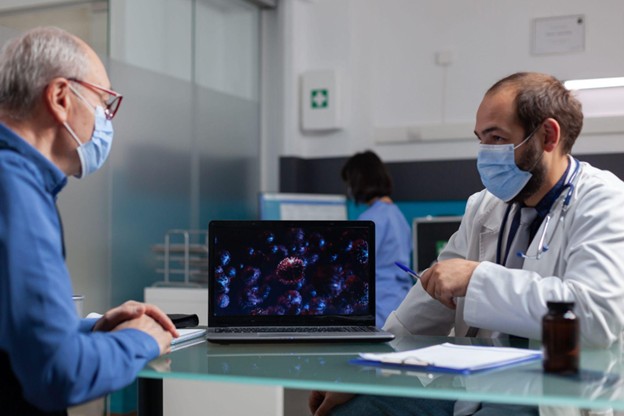
Modern healthcare is evolving rapidly as digital tools and advanced technologies reshape diagnosis and treatment. Basem Hamid, MD of Houston, TX, often highlights how innovation helps clinicians detect illnesses earlier, interpret complex data more effectively, and design treatments that better match each patient’s needs. At the center of this transformation is a growing emphasis on precision, efficiency, and patient-centered care.
Across hospitals, clinics, and research centers, technology is strengthening nearly every stage of the healthcare process. From diagnostic imaging to data analytics, new tools are giving physicians deeper insights into human health while also improving the patient experience.
The Digital Transformation of Medical Diagnostics
Medical diagnostics have always been the foundation of effective treatment. Accurate diagnosis allows physicians to identify the root cause of symptoms and choose the most appropriate course of action.
Today’s technology is dramatically expanding diagnostic capabilities.
Advanced imaging tools, digital records, and artificial intelligence systems allow physicians to analyze medical data faster and with greater accuracy than ever before. These innovations are reducing delays in diagnosis and helping medical teams respond quickly when conditions require immediate attention.
Some of the most significant technological improvements include:
- High-resolution imaging technologies allow doctors to detect abnormalities earlier in their development.
- Artificial intelligence systems that analyze medical images and identify patterns that may be difficult for the human eye to detect.
- Digital pathology tools that improve the accuracy and speed of laboratory analysis.
- Predictive analytics platforms that identify potential health risks using historical patient data.
These technologies are not meant to replace physicians. Instead, they serve as powerful support systems that allow doctors to make more informed decisions while maintaining the human judgment that remains essential in medicine.
Artificial Intelligence and Data Analysis
Artificial intelligence has become one of the most influential technologies in modern healthcare. AI-driven systems can process enormous volumes of medical information in seconds, identifying patterns that might otherwise take weeks or months to uncover.
Diagnostic medicine often uses AI tools to analyze imaging scans, pathology reports, and patient histories. These systems can highlight areas of concern or suggest possible conditions that physicians may then evaluate more closely.
AI-driven tools are particularly useful in fields such as:
- Radiology
- Oncology
- Neurology
- Cardiology
In these specialties, early detection can significantly improve outcomes. AI systems help physicians identify subtle indicators that may signal the beginning of a disease, allowing treatment to begin sooner.
Telemedicine and Remote Monitoring
Technology has also expanded healthcare access through telemedicine and remote monitoring systems. These tools allow physicians to observe patient health outside traditional clinical settings.
Remote monitoring devices track vital signs such as heart rate, blood pressure, oxygen levels, and sleep patterns. Healthcare providers can then review the collected data to identify trends or potential concerns.
Key benefits of remote healthcare technology include:
- Continuous health monitoring without requiring frequent office visits
- Earlier detection of medical complications
- Improved care for patients in rural or underserved areas
- Greater convenience for patients managing chronic conditions
Telemedicine has also made it easier for patients to consult specialists who may not be located nearby. Virtual appointments allow physicians to review symptoms, evaluate medical records, and recommend treatments while maintaining efficient communication with patients.
Precision Medicine and Personalized Treatment
Another major technological advancement in healthcare is the development of precision medicine. This approach focuses on tailoring treatments based on a patient’s individual characteristics rather than relying solely on generalized medical protocols.
Precision medicine uses genetic data, lifestyle factors, and medical history to determine which therapies may be most effective.
Technological tools supporting this approach include:
- Genomic sequencing platforms that analyze genetic markers
- Bioinformatics software used to interpret complex biological data
- Advanced laboratory testing that identifies specific disease mechanisms
These technologies allow physicians to develop treatment strategies that are more targeted and potentially more effective, leading to improved patient outcomes and a more tailored approach to individual health needs. As research continues to expand, personalized medicine may become an increasingly common component of healthcare.
Robotics and Minimally Invasive Procedures
Robotic-assisted surgery represents another major step forward in medical technology. These systems enable surgeons to perform complex procedures with greater precision and control.
Robotic platforms allow for:
- Smaller surgical incisions
- Improved visualization during procedures
- Enhanced accuracy when operating near delicate structures
Minimally invasive techniques often lead to faster recovery times, reduced pain, and shorter hospital stays. Patients benefit from procedures that are both highly precise and less disruptive to the body.
Robotic systems also support surgeons by translating hand movements into extremely precise actions, allowing them to perform delicate procedures that might otherwise be difficult with traditional surgical tools, such as minimally invasive surgeries or complex reconstructions.
Electronic Health Records and Data Integration
Electronic health records (EHRs) have become a cornerstone of modern healthcare systems. These digital platforms organize patient information in a way that allows physicians to quickly access critical medical history.
When implemented effectively, EHR systems improve communication among healthcare providers and reduce the risk of medical errors.
Benefits of digital health records include:
- Centralized patient information accessible across medical teams
- Improved coordination between specialists and primary care providers
- Reduced duplication of medical tests
- More accurate medication management
Digital records also help healthcare organizations track population health trends and improve overall care planning.
Improving the Patient Experience
While technology often focuses on clinical improvements, it also plays an important role in enhancing the patient experience. Digital tools allow patients to take a more active role in their healthcare journey.
Examples include:
- Online patient portals that provide access to medical records and test results
- Mobile health applications that track wellness data
- Automated appointment scheduling systems that simplify communication with healthcare providers
These systems create a more transparent healthcare environment where patients can better understand their treatment plans and stay engaged in managing their health.
Challenges and Considerations
Despite the many advantages of medical technology, integrating new systems into healthcare environments can present challenges.
Hospitals and clinics must address issues such as
- Data privacy and cybersecurity
- Training healthcare professionals to use new tools
- Ensuring equitable access to advanced technologies
- Maintaining human-centered care alongside digital innovation
Balancing these considerations is essential for ensuring that technological progress continues to support both physicians and patients effectively.
The Future of Technology in Medicine
The next generation of healthcare technology will likely focus on even greater integration of data, artificial intelligence, and personalized medicine.
Future innovations may include:
- Predictive health systems capable of identifying disease risk years in advance
- Wearable medical devices that continuously monitor health indicators
- AI-driven clinical decision tools that assist physicians in complex cases
- Expanded virtual care platforms that connect patients and specialists worldwide
As these technologies evolve, they will continue to reshape the way healthcare is delivered and experienced.
Technology as a Partner in Modern Healthcare
Technology has become an essential partner in modern medicine, supporting physicians as they work to diagnose illnesses accurately and deliver effective treatment.
By combining advanced tools with clinical expertise, healthcare providers can detect diseases earlier, develop more targeted treatment strategies, and improve patient outcomes across a wide range of conditions.
The ongoing integration of technology into healthcare systems represents a powerful opportunity to enhance both medical practice and patient well-being, helping create a future where diagnosis and treatment are faster, smarter, and more personalized than ever before.