
Pain is personal not because it lacks a physical basis, but because every injury occurs within a different biological and everyday context.
Blog
Why the Location of Pain Does Not Always Reveal Where the Problem Begins
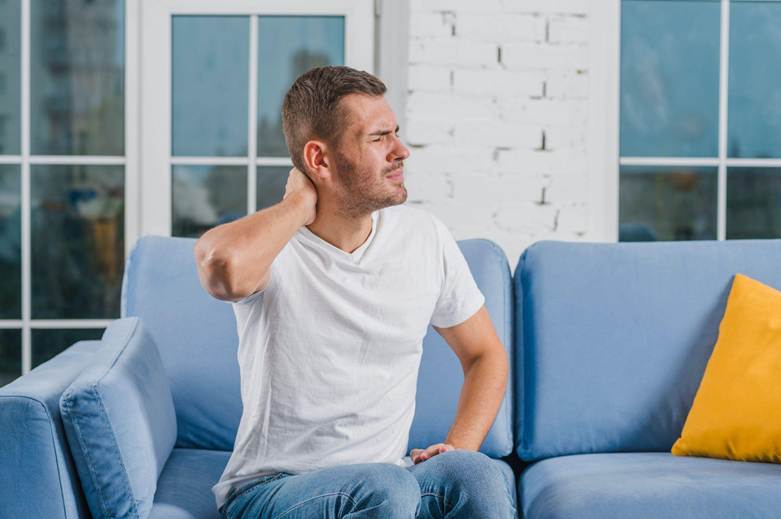
Pain is ultimately an experience produced through the nervous system, not simply a marker placed directly over an injured structure.
Why Chronic Pain Can Disrupt Sleep Even When the Pain Itself Has Not Changed

Chronic pain can make sleep difficult even when the underlying discomfort has not obviously changed.
The Biology of Adaptation: What Chronic Pain Teaches Us About the Brain’s Ability to Change

For many years, scientists believed that the adult brain was relatively unchanging once development was complete. Modern neuroscience has challenged that assumption.
Predictive Brains: Why the Nervous System Sometimes Anticipates Pain Before It Happens
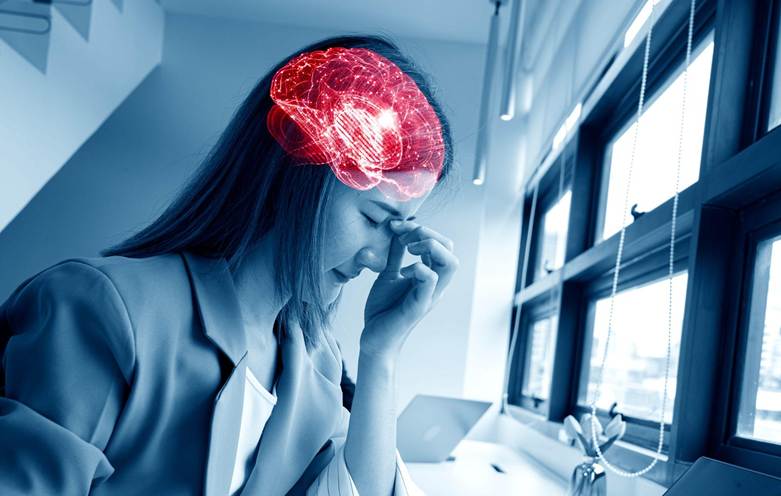
Memory, attention, prior experiences, expectations, and environmental context all contribute to how pain is ultimately perceived.
Pain, Attention, and the Brain: Why What We Focus On Can Influence What We Feel

Pain is often described as a physical sensation, but neuroscience suggests it is also an attentional experience.
How Image-Guided Procedures Are Changing Interventional Pain Medicine

Modern pain specialists can use imaging technology to better understand where pain may be coming from and guide treatment with greater accuracy.
Why Functional Recovery Should Be the Goal of Every Pain Treatment Plan

Pain management is most effective when it supports both symptom improvement and functional recovery.
Why Sleep Disruption Is One of the Most Overlooked Effects of Chronic Pain

Chronic pain conditions frequently interfere with consistent restorative sleep, creating a cycle in which pain affects sleep and poor sleep, in turn, worsens pain sensitivity and physical exhaustion.
Why Many Patients Misunderstand the Difference Between Pain Suppression and Functional Recovery

While reducing pain remains important, sustainable recovery often depends on improving how the body functions during everyday life.