
Pain care exists at the intersection of science, judgment, and responsibility, where every decision carries ethical weight. In contemporary pain medicine, Dr. Basem Hamid represents a broader clinical philosophy that recognizes pain treatment not only as a technical challenge but also as a moral one, requiring balance between relief, risk, and long-term human well-being. Pain Relief as… Continue reading The Ethics of Pain: Balancing Analgesia, Dependency, and Quality of Life
Category: Dr. Basem Hamid
Neurotech Frontiers in Pain Medicine: How Emerging Technologies Are Reshaping Treatment
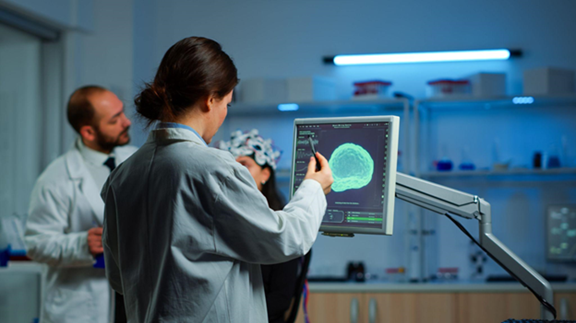
Pain medicine is undergoing a quiet but profound transformation as neuroscience and technology converge in new ways. At the center of this shift, Dr. Basem Hamid reflects a broader movement in the field, one that treats pain not as a singular symptom to suppress but as a complex neurological process that can be studied, measured, and… Continue reading Neurotech Frontiers in Pain Medicine: How Emerging Technologies Are Reshaping Treatment
Modern Pain Management: Why Chronic Pain Requires More Than Medication

Modern pain management is evolving into something more collaborative, more evidence-based, and more long-term in focus.
The Silent Circuitry: How Chronic Pain Rewires the Brain & What That Means for Recovery
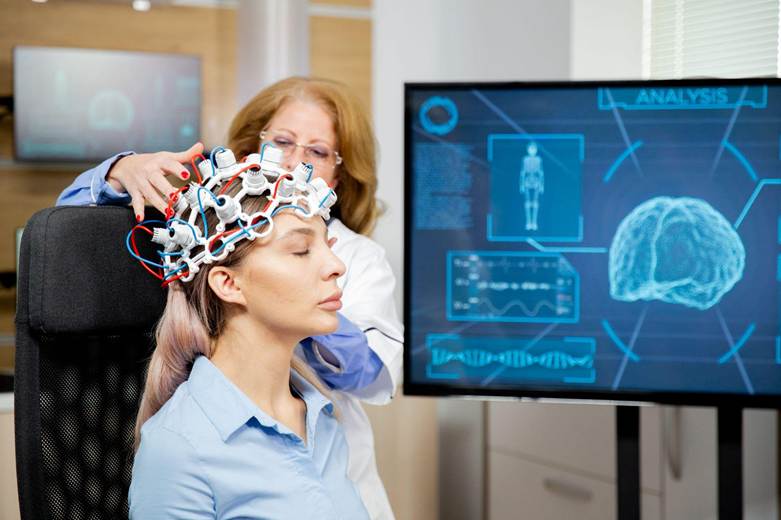
What makes this field remarkable is not just what it reveals about pain, but what it reveals about the brain itself.
Why Pain and Memory Interact Within the Human Brain
Pain and memory are not distinct entities; they are entwined threads in the fabric of brain processes.
How Metabolism Shapes Memory and Focus

The brain’s energy budget is an invisible structure behind every thought, choice, and memory.
Pattern Completion: How the Hippocampus Rebuilds Whole Memories from Fragments

We discuss how pattern completion is not a parlor trick; it is a survival feature.
Memory on the Move: Exercise, Neurogenesis, and Learning

In the end, the case for exercise as a memory ally is not a sermon but a demonstration.
Neurology’s Blind Spots: When Seizures Don’t Look Like Seizures

As the field of neurology continues to evolve, so too must the methods used to identify and manage seizure disorders.
The Blood-Brain Shortcut: How Peripheral Biomarkers Are Reshaping Neurology’s Diagnostic Map
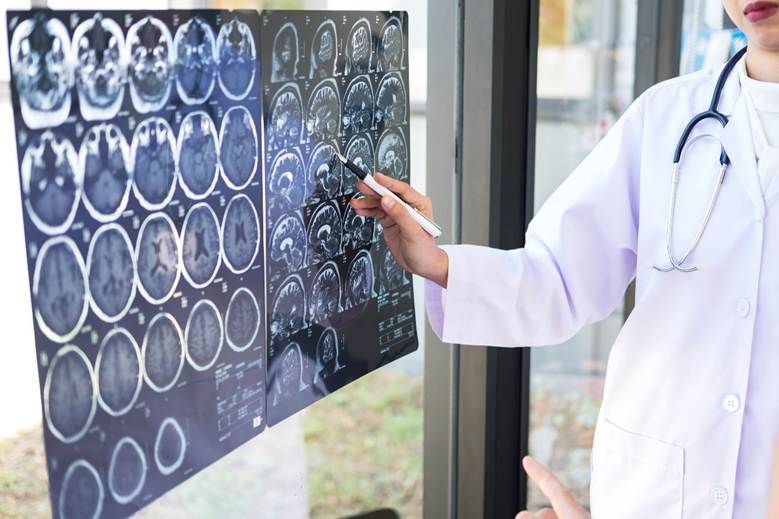
The era of waiting for symptoms to escalate is fading. In its place, we find a proactive, molecular approach to brain health.