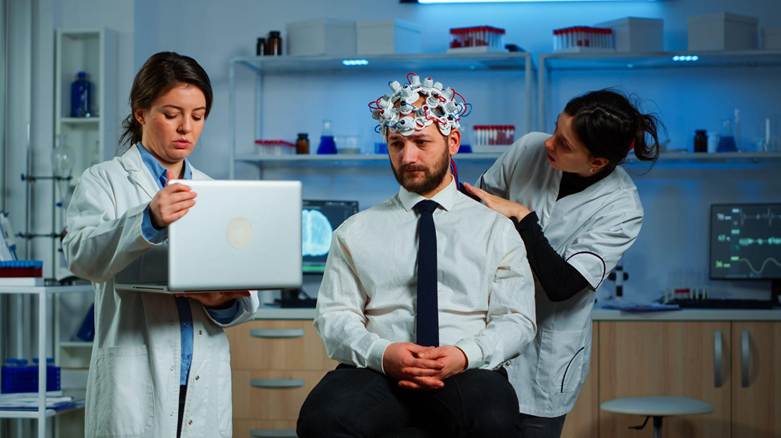
Pain care is undergoing a fundamental shift as medicine begins to recognize that long-term outcomes depend on neural health long before symptoms escalate. Basem Hamid MD of Houston TX, emphasizes that proactive attention to neural resilience is becoming essential as healthcare moves from reactive pain management toward prevention-driven models that address root neurological drivers.
Traditional pain care has focused on symptom suppression after dysfunction has already taken hold. While this approach can offer temporary relief, it often fails to address the progressive changes occurring within the nervous system. As understanding of neuroplasticity expands, it is becoming clear that the brain and spinal networks involved in pain are dynamic, adaptive, and highly influenced by early intervention.
Pain as a Neurological Process, Not Just a Physical Signal
Pain is no longer viewed solely as a response to tissue injury. It is increasingly understood as a complex neurological process shaped by sensory input, emotional context, and long-term neural adaptation.
When neural pathways remain overstimulated or poorly regulated, pain signals can persist even after physical healing occurs. This persistence highlights why reactive care alone often struggles to produce durable outcomes.
Proactive neural health focuses on maintaining balance within the nervous system before maladaptive patterns become entrenched.
Why Reactive Pain Models Fall Short
Reactive pain care typically begins after symptoms disrupt daily function. By this point, neural sensitization may already be well established.
Common limitations of reactive approaches include:
- Addressing pain intensity rather than neural drivers
- Short-term symptom control without long-term recalibration
- Escalation of interventions as effectiveness declines
- Limited attention to prevention or early-stage modulation
These challenges contribute to recurring pain cycles that are difficult to interrupt once established.
Proactive Neural Health as a Preventive Strategy
Proactive neural health reframes pain care around early identification and maintenance rather than crisis response. This approach prioritizes monitoring, education, and intervention before chronic patterns emerge.
Preventative neural strategies aim to:
- Support healthy pain processing pathways
- Reduce central sensitization risks
- Improve nervous system adaptability
- Preserve functional capacity over time
By focusing on neural stability, pain care becomes a continuous process rather than a series of reactive interventions.
The Role of Neuroplasticity in Long-Term Outcomes
Neuroplasticity explains why pain experiences can change over time, for better or worse. The nervous system constantly adapts based on input, stress, movement, and environment.
When pain is repeatedly reinforced, neural circuits strengthen those signals. Conversely, when supportive interventions guide the nervous system toward balance, pain perception can diminish.
Proactive care leverages neuroplasticity intentionally, shaping healthier neural responses before dysfunction becomes dominant.
Early Intervention and Neural Resilience
Neural resilience refers to the nervous system’s ability to adapt without becoming hypersensitive. Early interventions that promote resilience reduce the likelihood of chronic pain development.
These interventions may focus on:
- Movement patterns that support neural regulation
- Stress reduction to limit neural overload
- Education that reframes pain perception
- Gradual exposure strategies that restore confidence
Building resilience early reduces the need for aggressive interventions later.
Integrating Neural Health Into Preventative Medicine
As medicine increasingly emphasizes prevention, neural health must be included alongside cardiovascular, metabolic, and musculoskeletal metrics.
Ignoring the nervous system leaves a critical gap in preventative care. Pain often emerges as a downstream consequence of cumulative neural stress rather than isolated injury.
Incorporating neural health into routine care supports earlier identification of risk factors and more targeted intervention strategies.
The Cost of Delayed Neural Care
Delayed attention to neural health carries long-term consequences for both patients and healthcare systems. Chronic pain is associated with increased utilization, reduced productivity, and diminished quality of life.
When proactive strategies are absent, care pathways often escalate unnecessarily. This escalation increases complexity without addressing the underlying neural drivers that sustain pain.
Preventive neural care offers a more sustainable path forward.
Education as a Foundation of Proactive Pain Care
Patient understanding plays a critical role in neural health. When individuals understand how pain works neurologically, fear and uncertainty decrease.
Education helps:
- Reduce catastrophic thinking
- Encourage active participation in care
- Support adherence to preventative strategies
- Reinforce long-term self-management skills
Empowered patients contribute to better outcomes by supporting neural recalibration rather than reinforcing maladaptive patterns.
Technology and the Future of Neural Monitoring
Emerging tools are making proactive neural care more accessible. Wearables, digital assessments, and data-driven monitoring allow earlier identification of stressors that impact neural balance.
These tools support personalized interventions that adjust as neural responses evolve. Rather than relying solely on symptom reports, care becomes adaptive and responsive to neurological signals.
Technology strengthens the ability to intervene before pain becomes persistent.
Shifting the Pain Care Paradigm
The future of pain care lies in shifting from reaction to anticipation. Proactive neural health recognizes pain as a dynamic process that can be guided, influenced, and moderated over time.
This shift does not eliminate the need for intervention when pain occurs. Instead, it reduces frequency, severity, and duration by addressing vulnerability earlier.
Pain care becomes more humane, effective, and sustainable when prevention leads strategy.
A Forward-Looking Model for Tomorrow’s Medicine
Tomorrow’s pain care will be measured not only by how well it treats symptoms, but by how effectively it preserves neural health across the lifespan.
Proactive approaches align pain management with broader goals of preventative medicine. They emphasize resilience, adaptability, and long-term function over episodic relief.
As medicine evolves, neural health will no longer be an afterthought. It will be recognized as a cornerstone of effective, future-ready pain care.